
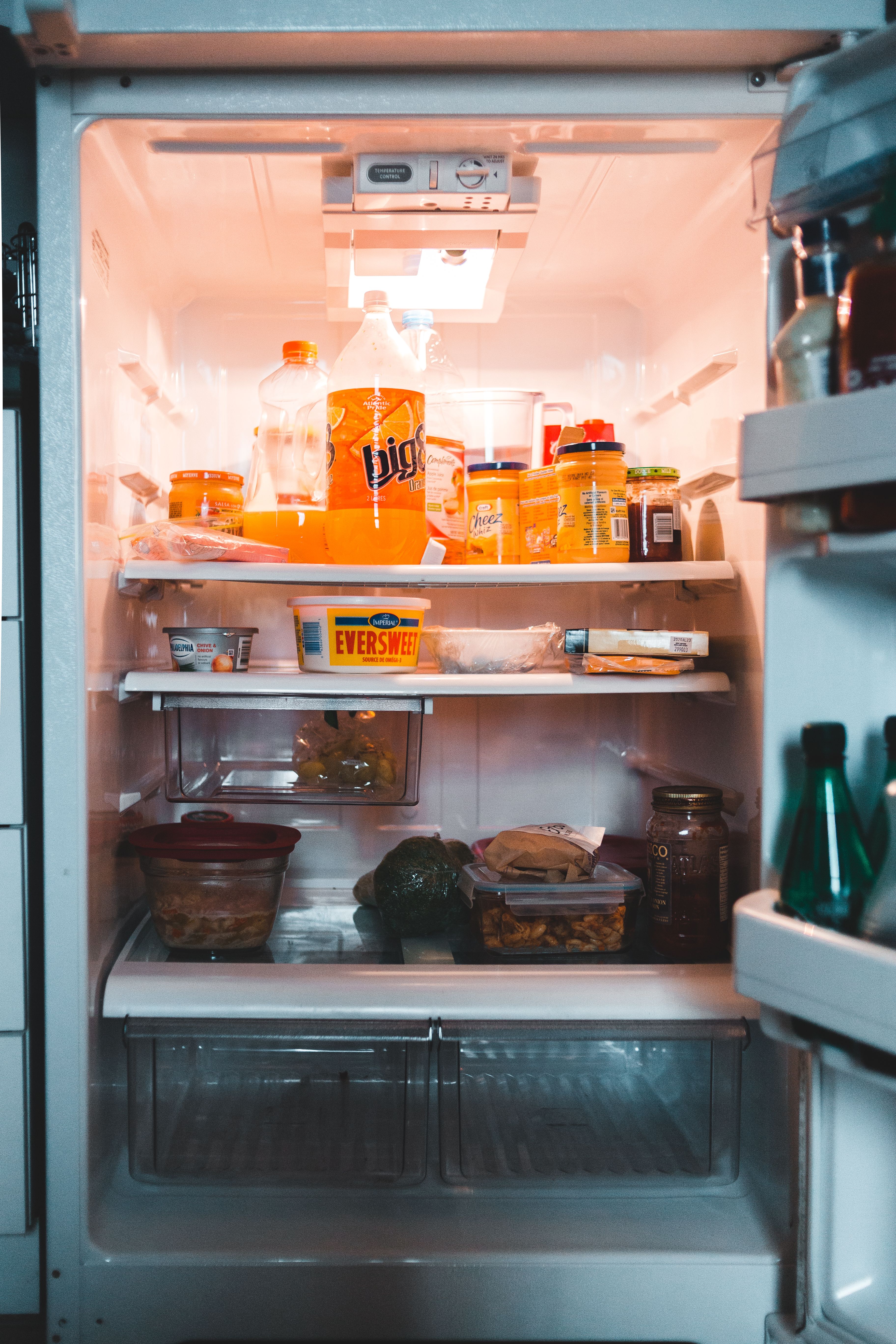
A refrigerator not cooling in both compartments is a different problem from a warm fridge with a working freezer. When the freezer is still freezing, the cold is being made but not delivered; when both sides are warm, the cold is not being made at all. That points to power, the thermostat or control, the condenser fan, the start relay, the compressor, or the sealed system. The first four are affordable fixes. The last two are where the repair-or-replace conversation starts.
This guide walks through what to check in the first ten minutes, what a technician looks for, how long your food is safe, and the two things you should not do to a warm fridge. It applies to any electric household fridge, from a basic top-freezer in Old North to a French-door in Waterloo.

Fridge warm but freezer fine? That is a different problem
Before going further, open the freezer. If the freezer is still hard-frozen and only the fresh-food side is warm, stop here and read our guide to a fridge not cooling while the freezer works. That case is almost always a defrost problem, a stuck damper or a dead evaporator fan, and the checks are different.
If the freezer is soft and the fridge side is room temperature, keep reading. Both compartments share one cooling system, so when both fail together you look at the parts that serve both.
The ten-minute checks anyone can do
Most of these cost nothing and a surprising number of calls end here.
- Power. Is the interior light on? If not, check the plug, then the breaker.
- Settings. Someone may have bumped the control. Set the fridge to about 3 to 4 C and the freezer to minus 18 C. On digital models, look for a demo, showroom or cooling-off mode; the display lights up but nothing runs.
- Doors. A door propped open by a crisper drawer or a bottle in the door shelf will warm both sides overnight. Check the gasket is sealing all the way around.
- Airflow and heat. A fridge jammed into a tight alcove or beside a range that has been on all afternoon can lose ground on a hot day. Pull it out a few centimetres.
- Listen. Stand quietly beside it. A healthy fridge hums steadily with a fan running at the back or underneath. Silence, or a click every few minutes, tells you a lot.
If nothing changes after a couple of hours with the doors shut, move on.
Refrigerator not cooling on both sides: the usual causes
Dirty condenser coils and a stalled condenser fan
The condenser under or behind the fridge dumps heat into the room. When it is coated in dust and pet hair, or the small fan beside the compressor stops turning, the system cannot shed heat and cooling collapses. Unplug the fridge, remove the kick panel, vacuum the coils and spin the fan by hand. A seized condenser fan motor is an inexpensive and common fix.
Thermostat or control board
Older fridges use a mechanical cold-control thermostat; newer ones use a board and sensors. If the control never closes, the compressor never gets the signal to run and the fridge sits silent with the light on. A technician tests this in minutes with a meter.
Start relay and overload
The start relay is a small plastic block plugged onto the side of the compressor. When it fails, the compressor tries to start, cannot, and shuts down on the overload. That is the click you hear every two to five minutes. It is one of the cheapest parts on the fridge, and worth replacing before the compressor overheats repeatedly.
Compressor
If the compressor gets power, the relay is good, and it still will not run, or it runs hot and loud without cooling, the compressor itself is failing. On some LG refrigerators the linear compressor carries a long parts warranty, which changes the math on repair, so have the model and serial number handy when you call.
Sealed system
A compressor that runs constantly while the coils stay barely cool suggests a refrigerant leak or a restriction in the sealed system. This is the most expensive category of fridge repair, and on a fridge past ten or twelve years old it is often the point where replacement wins.
From the van: the first thing we do on a warm-fridge call is put a hand on the back of the fridge near the floor. Warm and humming means the compressor is trying and something else is failing. Stone cold and silent means the compressor is not getting power or not starting, and that changes the whole diagnosis.
Appliance Experts repairs refrigerators across London and Southwestern Ontario, 6 AM–9 PM, seven days a week — usually same day. The service call is free with the repair, and every job carries a 90-day parts and labour warranty.
Food safety: the four-hour rule
A closed refrigerator holds a safe temperature for roughly four hours after it stops cooling. Beyond that, perishable food that has been above 4 C for more than a few hours should be thrown out: meat, poultry, fish, dairy, cooked leftovers, cut fruit and anything with eggs. Hard cheeses, whole vegetables, condiments and butter usually survive.
Keep the doors shut while you troubleshoot, and move the expensive items to a cooler with ice. Health Canada publishes general food safety guidance on storage temperatures if you want the full list.
Two things not to do
First, do not tip or lay the fridge on its side to look underneath. Compressor oil migrates into the refrigerant lines and can lock up the compressor when it restarts. If a fridge has been moved on its side, let it stand upright for several hours before plugging it in.
Second, do not attempt sealed-system work. Refrigerant handling in Ontario requires certification and equipment, and the do-it-yourself recharge kits sold online are meant for cars, not household fridges. Everything up to and including the start relay is fair game for a careful homeowner; the sealed system is not.
When to call a pro
Call when the fridge has power, the coils are clean, the settings are right and it still is not cooling after a few hours. That leaves the control, the relay, the compressor and the sealed system, and every one needs a meter and experience to sort out properly. A same-day visit matters, because food is on the clock.
Our refrigerator repair service covers every major electric brand across London, Brantford and Kitchener, and our London fridge repair techs carry common relays, fan motors and controls on the van. Typical refrigerator repairs in this region run $220 to $500, with sealed-system and compressor jobs higher, and the diagnostic fee is applied to the repair if you go ahead.
Frequently asked questions
Why is my refrigerator not cooling but the light is on?
The light only proves the outlet has power. If both compartments are warm, the compressor is either not being told to run by the thermostat or control, is failing to start because of a bad start relay, or has failed. Listen for a periodic click or complete silence to narrow it down.
How long does food last in a refrigerator that stopped cooling?
About four hours with the door kept closed. After that, perishable items such as meat, dairy, leftovers and cut produce that have been above 4 C should be discarded. A freezer holds safe temperatures longer, especially when it is full.
Is it worth repairing a refrigerator that is not cooling?
Usually yes if the fix is a fan motor, start relay, thermostat or control, since those repairs are a fraction of the price of a new fridge. If the compressor or sealed system has failed on a fridge more than ten years old, replacement is often the better choice.
Can I fix a refrigerator that is not cooling myself?
You can safely check power, settings, door seals and clean the condenser coils, and a confident DIYer can replace a start relay. Sealed-system and compressor work require refrigerant certification and specialised tools, so leave those to a technician.
Why does my fridge click every few minutes and not cool?
A regular click with no compressor hum usually means the start relay or overload is failing. The compressor tries to start, cannot, and trips the overload, then tries again. It is an inexpensive part but the compressor should not be left cycling like that for days.
The bottom line
When a refrigerator is not cooling on both sides, think of it as the cold not being made. Check power, settings and the door, clean the coils and spin the condenser fan, then listen for the compressor. A silent fridge or a periodic click points to the control, the relay or the compressor, and that is where a technician takes over. Keep the door closed, count your four hours, and do not tip the fridge or touch the refrigerant. If you are in London or anywhere in Southwestern Ontario, call Appliance Experts at (519) 900-3010 and we will usually be there the same day.